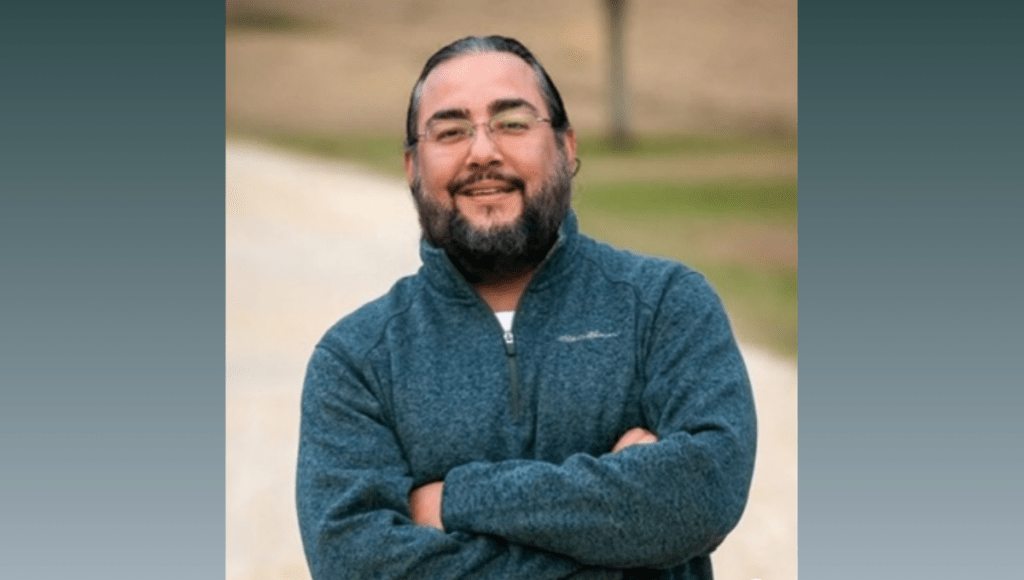
By Daniel Zeruto
For years, Leon County families have heard that our schools need more money. Teachers deserve competitive salaries, and students deserve the resources to succeed. But taxpayers also deserve to know whether district leaders have a sustainable plan or whether the next financial challenge will simply bring another request for more.
On October 13, the School Board approved a $30 million loan to cover payroll and operating expenses while awaiting tax revenue. Borrowing to bridge a cash flow gap is not inherently irresponsible. But the district previously relied on reserves. What changed? What decisions brought us here? And what is being done to prevent borrowing from becoming a recurring solution?
Questions about financial oversight extend beyond the district’s budget. The Foundation for Leon County Schools is a separate nonprofit, yet district leaders have also served in its governance. Audits identified financial control weaknesses at the Foundation. While those findings do not establish misconduct or connect the Foundation to the district’s financial difficulties, they raise legitimate questions about oversight, corrective action, and whether those entrusted with leadership are paying attention to the details.
Now voters face a proposed additional one mill property tax, projected to generate approximately $29.3 million annually. But what happens when those four years are over? That is the question I believe district leadership has failed to adequately answer.
The proposed millage may provide additional funding for teacher compensation, school safety, and educational programs. Those are worthy priorities. But additional revenue alone is not a financial recovery plan. Without a credible strategy for addressing the underlying challenges, this risks becoming a temporary solution to a much larger problem. Are we simply buying another four years before taxpayers are asked to solve the same problem again?
The issue is not whether each financial decision can be individually explained. It is whether district leadership recognizes the broader warning signs and has a credible plan to address them. Taxpayers should not have to wait for the next financial challenge to discover whether those entrusted with managing our schools were prepared for it.
Florida’s expansion of school choice and vouchers has fundamentally changed public education. District leaders and community members may disagree with these policies, and their financial impact deserves serious consideration. But disagreement does not change reality. The educational landscape has changed. The question is whether district leadership has changed with it.
How has Leon County Schools adjusted staffing, facilities, programs, and spending as enrollment shifts? What is being done to make our public schools places families actively choose? And perhaps most importantly, are district leaders listening to parents?
When families raise concerns about safety, discipline, academics, or communication, are those concerns genuinely addressed? Not every family or teacher leaves for the same reason, but their departures should prompt serious reflection about what the district could do differently.
Pointing to state policies may explain some of the district’s financial pressures, but it cannot excuse a failure to adapt. Our teachers deserve meaningful, sustainable raises. Our children deserve safe, successful schools. Neither should become the emotional centerpiece of another funding campaign while legitimate questions about financial management and leadership remain unanswered.
A four year funding source is not, by itself, a four year strategy. And asking taxpayers to fill a financial gap without demonstrating how the district intends to address its underlying challenges is not the kind of leadership our community deserves.
That is why I will be voting NO on the proposed millage increase. My decision is not a vote against our teachers, our children, or public education. It reflects my lack of confidence in the district’s current leadership and its ability to demonstrate a sustainable path forward.
I believe in investing in our schools. But I also believe those responsible for managing that investment must demonstrate accountability, sound financial planning, and a willingness to change when circumstances demand it.
The answer cannot always be more money. At some point, it must be better leadership.
Without a clear vision and evidence of change, what are voters being asked to invest in?